Page updated 09 July 2026
Travel delays in Europe
Passports and visas
Europe
Page updated 09 July 2026
The EU has implemented new fingerprinting and facial recognition border controls under its new Entry and Exit System (EES). Under the new requirements non-EU citizens must register fingerprints and facial images the first time they enter the Schengen Area and then have their biometrics verified every time they leave and re-enter the Area.
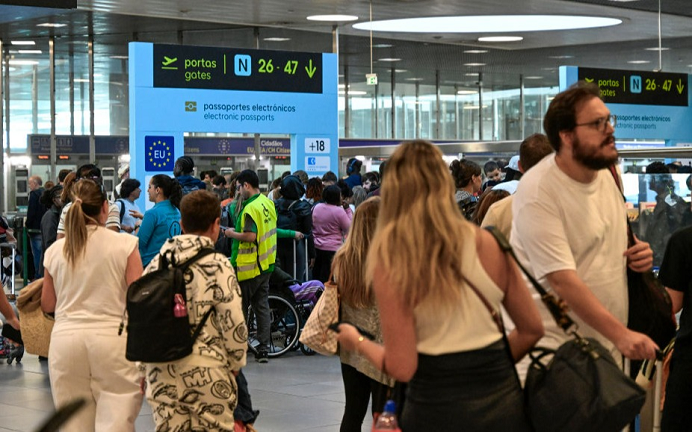
The new biometric verification requirements have led to significant queues in some locations, including popular European holiday destinations. These are expected to increase as Europe’s peak holiday season starts in July. Travellers have reported delays and missed connections.
See further advice about travelling in the Schengen area, including which countries are members, on our Europe and the Schengen Area page.
New Zealanders with travel planned to Europe should:
New Zealanders in need of urgent consular assistance can contact the 24/7 emergency line on +64 99 20 20 20.
For more information: